Editor’s note: The following scientific literature review and theory article was initially submitted for SAGE publishing in the British Journal of Music Therapy. Shockingly, it was precluded from peer review by Editor, Donald Wetherick, without any reasonable justification in correspondence. The alleged excuse for rejection was stated as: “Your article addresses sound therapy approaches rather than music therapy as understood in the UK . . .” In other words, SAGE’s journal editor, representing the British Association of Music Therapy, disregards the fact that music is made from frequencies of sound that can profoundly impact the therapeutic value of the music.
Accordingly, the following peer reviewed publication is issued: (1) in protest to the arguably insane rejection by Wetherick; and (2) in support of music therapists worldwide combating the challenges of Alzheimer’s and Autism. Peer review of this science article was provided by members of the Bio-Quantum Academy, Canada, a premier postgraduate institution dedicated to delivering exceptional education in integrative medicine on both national and international levels.
528 Frequency Music Therapy for Alzheimer’s and Autism
By
Dr. Leonard G. Horowitz
Abstract
Research established ‘music therapy’ (MT) as a promising practice for persons with Alzheimer’s Disease (AD) and the spectrum of autistic disorders (ASD), preventing or ameliorating such neurodevelopmental maladies. This review of science advances “528 Frequency MT” specifically for administering supplemental benefits. Bioenergetic impacts of 528 Hertz (Hz) sound have been evidenced increasing immunity by antioxidant activity and protecting nerve cells from chemical damage. Accordingly, MT may be optimized by 528 frequency tuning, enhancing cognitive function, autobiographical memory, emotional well-being, pro-social interaction, positive behavioral outcomes, and improved health status in AD and ASD patients. Mechanisms of common action amenable to 528-tuned MT include psycho-neuro-endocrine mechanisms involving endorphin release prompting positive affective states like joy, love, affection, and improved brain function. These outcomes are prompted bioenergetically via dynamics central to biophysics and stem cell neurogenesis for restored brain function. This review and analysis encourages further study and clinical trials to optimize the benefits of MT using the 528Hz frequency in novel ways.
Introduction
Numerous studies show certain music can be therapeutic and preventative for Alzheimer’s disease and senility. Likewise, MT is widely accepted for helping people on the autistic spectrum. (3-4) Nostalgic “oldies but goodies” have proven particularly effective in evoking comforting memories and sustaining AD and ASD patients’ attention. These MT dynamics involve the vestibular system impacting brain function aligned with ASD individuals’ rhythmic comforting behaviors called ‘stimming.’ Such coping behavior includes listening to the same sounds or songs, performing them using repetitive body movements, and vocals that condition the brain, increase self-control and self-help, and improve sensory-motor neuro-regulation. (1-4)
In addition, enhanced interpersonal communication and rapport building between therapists and those affected can be learned outcomes of MT. Music intertwines with bioenergy and spirituality. Like an inner calling seeking calming, autistic persons commonly exhibit and defend stimming behaviors that evidence rhythmic, repetitive, and memorized musculoskeletal neurological patterns and programs. These reportedly condition, comfort, and satiate human senses based on “listening to repetitive sounds.” (5)
Relatedly, “oldies but goodies” music triggers memories and psycho-neuro-endocrine reactions. (6-7) These also have beneficial biochemical immunological impacts intertwined with endorphin release. That is, “feel good hormones” are prompted musically, relieving anxiety and depression while boosting glutathione levels and natural immunity. Psychologically, neurologically, even spiritually, “nostalgic music” commonly elicits comforting feelings. (6-7)
In addition, such ‘brain exercise’ has been shown to evoke feelings of love, joy, faith, and affection paired with the audio stimulation, especially encouraging 528 energy MT applications. (8-14) This knowledge has proven therapeutically beneficial to Alzheimer’s patients, (6) and the use of music-based interventions for individuals with autistic spectrum disorder (ASD) were also found beneficial in improving social, emotional, and behavioral outcomes. (8)
When social relationships and inter-personal contacts are central to therapeutic efforts and investments, as in cases of ASD and AD, music enjoyed or performed in preferred genres captures listener’s attention and positive affective outcomes better than film (or video). (9) Other studies determined the particular frequency of music heard, particularly 528Hz, can have a beneficial effect on experimental, experiential, and behavioral outcomes. (10-16) While some music has proven to be distressing or annoying, 528Hz music has been reported to be exceptionally relaxing and therapeutic. That frequency is considered the “emotional heart of music.” (16)
These determinations encourage theoretical explanations in neuroscience as well as in advancing clinical applications for better health and disease prevention.
Accordingly, this paper encourages further research and clinical developments in the use of 528Hz frequency MT, and especially 528Hz transposed ‘oldies,’ for mental health, Alzheimer’s disease prevention, and caring for persons with ASD. This review also provides a science-based theoretical framework within which the benefits of 528 frequency therapeutics may be attributed to the biophysics and metaphysics administering natural healing.
Music’s Impact on Dementia, Anxiety and Depression
Corroborating what Spanish (17) and Norwegian (18) teams of researchers determined years ago, Australian (2) scientists recently found that certain music can be a “promising accessible strategy to help reduce cognitive impairment and delay the onset of dementia in later life.” The scientific review by Moreno-Morales et. al., (17) found that audiophiles who always listened to music had “a 39% reduced dementia risk and better global cognition and memory scores.”
Likewise, the Aussies (2) reported that “music improves cognitive function in people living with dementia, as well as quality of life after the intervention and long-term depression.” Earlier, a Canadian team (19) concluded that “music techniques can be utilized in various ways to improve behavior and cognition.”
Koltuska-Haskin (20) detailed an extensive review of science conducted by Matziorinis and Koelsch (18) proving music therapy benefited AD patients. They showed MT improved moods, reduced depression and anxiety, and improved cognitive functioning “such as autobiographical recall, memory, and verbal fluency.” (18-20)
Most promising, despite suffering severe memory problems, behaviorally challenged people “can still learn new songs and react emotionally to music.” (18-20) Studies proved the “positive effect of music therapy on reducing agitation in patients, increasing social interactions, and providing a way for caregivers to connect with loved ones.” (18)
Leggieri et. al., concluded that “an individualized music playlist and a focus on relaxation techniques are most beneficial for AD patients,” (19) The same may be true for youngsters and others suffering from Autistic Spectrum Disorders (ASD) as determined by a Saudi team. (21) “Music therapy,” they concluded, “has been recognized as a beneficial intervention for improving health outcomes across various conditions, including mental health disorders, . . . in autism, particularly in enhancing cognitive processing, emotional responses, and social communication.” (21)
How Music Therapy Works in Brains
Based on electron microscopic evidence provided by University of Calgary researchers, heavy metals such as mercury from various sources, including dental amalgam fillings and vaccine-thimerosal preservative, commonly cause neuro-degeneration of brain cells in humans. MT, especially the 528Hz frequency, may help remedy this toxicity and reverse nerve damage in ASD and AD.
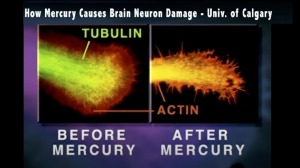
Aside from research showing 528Hz resonance alone protects brain cells from chemical damage, (13-14) Norwegian researchers (18) suggested three possible neural mechanisms underlying the positive effects of MT on cognition, mood, and health status in AD patients; likewise true for persons coping with ASD. (21) These three mechanisms include: (1) Neurogenesis—redevelopment of damaged nerve cells; (2) Neuroendocrine pathways with dopamine release; and (3) Immunological benefits.
Neurogenesis
“The first mechanism is stimulation of neurogenesis (i.e., generation of new neurons from stem cells) and neuroplasticity (e.g., structural changes in the brain, including formation of new synapses, axonal sprouting, and myelinization of nerve fibers).” (18)
Regarding neurogenesis, Horowitz, Fine and Showell (13) considered stem cell differentiation, and the restoration of tissues following photoacoustic stimulation. They theorized that healing is administered bioenergetically, epigenetically, quite naturally, by resonance energy “entrainment” via coherent concordant frequencies broadcasting ambiently as well as from adjacent normal cells comprising healthy tissues. (13)
Relatedly, Matziorinis and Koelsch (18) studied proliferating brain stem cells energetically prompted by music “involved in memory formation and mood regulation.” Stem cell differentiation, they noted, is most promisingly prompted by tiny energy signals or packets of sound and light (i.e., phonons and photons, respectively). (13) They observed “continuous adult hippocampal neurogenesis” associated with music’s benefits. They specified the region of the brain—“the dentate gyrus” —most active in “proliferating neural progenitor cells.” (18)
Applicable clinically, no matter how mentally impaired individuals may be, their capacity to heal and improve memory and intelligence continues under the influence of ambient energy, music frequencies, and particularly 528 signaling. Intercellular communication connects adjoining cells and tissues bioenergetically. Ambient energy (i.e., the “Life Force” energy) plays a role. (13)
Audiophiles, while listening to nostalgic music, trigger fond memories that exercise the brain, compounding the electromagnetic and bioacoustic force fields stimulating stem cell differentiation generating new brain cells, nerve connections, and tissue renewal. Electromagnetic frequency-stimulated stem cells differentiate into active nerve cells in this process of natural healing. This gives audiophiles hope that mental acuity may not degenerate with age, but rejuvenate during aging, restoring and securing normal brain functions throughout life.
All of this is math based, involving frequency specific vibrations, interpreted by brain cells acting to record the input, memorize it, learn from it, ascribe meanings from the vibrations, and generate memories from it as well. All of this is administered by and through the vestibular system connecting inner ear “hair cells” to the brain.
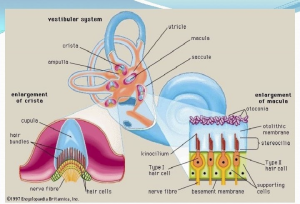
These specialized hair cells (depicted in the adjacent figure) are anatomically designed to vibrate, to conduct the mathematical messages of language and music to human brains. This is the main system damaged by hearing impairments, or engaged in stimming behavior in ASD patients. Likewise, in AD patients, vertical perception, body awareness, and spatial navigation are challenged by maladies in the vibrating, resonating, energy conducting, vestibular system.
“In addition to its sensory function, the vestibular system has direct connections to key areas [of the brain] responsible for higher cognitive functions, such as the prefrontal cortex, insula and hippocampus.” (52) “Vestibular loss, linked to hippocampal atrophy and default mode network disruption, appears to increase AD risk.” (53) Consequently, much like 528 nostalgic music eliciting fond memories, “active vestibular stimulation by balance training or neuromodulation could offer potential for modifying AD progression.” (53)
Summarily, dentate gyrus stem cells in the hippocampus region of brains generate new neurons that are evoked by music eliciting memories and emotions. (18-19) “In AD patients,” the Norwegian’s (18) wrote, “such music-evoked neurogenesis may lead to a deceleration of atrophy . . . , perhaps, to a reversal” of the loss of brain function improving both memory and mood.
Neuroendocrine pathways with dopamine release
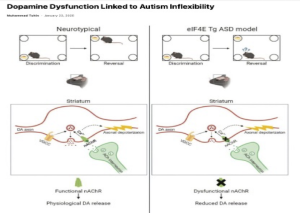
The second related mechanism underlying the benefits of music therapy in AD and ASD patients is the stimulation of dopamine release. (18) “Beyond activation of the hippocampus, music has been shown to have a strong capacity to activate the brain’s reward network. . . . Specifically, music-evoked pleasure has been shown to increase dopamine availability in the ventral striatum . . .” (18)
Extending beyond audiophiles to musicians and vocalists, Leggieri et al., (19) advanced this interesting hypothesis—“that the stimulation of the release of dopamine with music-making may prevent age-related cognitive decline.” Corroborating this hypothesis is a study estimating the age of musicians’ brains; finding that the estimated brain ages of individuals often engaged in music were younger than their chronological age. (19)
The rejuvenating and neuro-generating effects of music on brains are certainly associated with the release of dopamine during music making. This helps conduct the great feelings of joy, and even bliss, associated with listening to, especially performing, certain music.
Those shivers up spines, and ‘goose bumps’ on the skin prompted by certain music, are medically and musically called “frisson” and “horripilations,” respectively. These physical reactions are associated with increased dopamine release—the “feel good chemical”—flowing through bloodstreams and brains.
Exercising this attribute, as the Norwegians (18) concluded, “is consistent with the finding that lifelong musical practice has been associated with reduced risk of dementia and mild cognitive impairment.” Dopamine is depleted in persons with AD, ASD, and those deficient in musical engagement. (22)
As mentioned, this relates to the bioelectronics of nerve functions, nerve protections, and the influence of musical frequencies and ambient energy on stem cell neurogenesis, reflected chemically and hormonally. “Age-related dopamine losses are associated with age-related cognitive deficits.” (18)
Immunological benefits
A third possible mechanism by which music contributes to health and healing involves inflammatory processes. Glutathione is claimed to be the body’s premier immune-booster. (18) By reason of accumulating reactive oxygen species (ROS), energy-ravenous and stress-sensitive brain neurons cannot synthesize glutathione depleted by toxicity, especially from mercury. This impairs cognitive functions and immunity against myriad diseases. (10, 18) “The glutathione-bound form of mercury is one of the most abundant forms of biochemically available mercury in the body.” (18) Remedially, Babayi and Riazi recorded, “The protective impact of 528Hz at 80dB [that] served to reduce [brain] cell death by approximately 20%, and reduce ROS by 100%.” (10)
In other words, music evokes beneficial physiological changes through activation of the autonomic nervous system. (18) Rejuvenation and tissue repair happens automatically, naturally, under the influence of certain frequencies of sound (and light also).
This multidisciplinary field called “psycho-neuro-immunology” considers electro-physiological dynamics boosting natural immunity. (24) Music can reduce or increase stress, modulating immune system activities. Musical modulation includes the release of cytokines. Relaxing music intertwines with increased glutathione production boosting natural immunity against infectious diseases, certain cancers, and autoimmune diseases. (25)
Alternatively, distressing music can compromise protective biochemistry and immunity, leaving anxious audiophiles more susceptible to opportunistic infections and chronic diseases. “This is relevant because the presence of a sustained immune response in the brain has emerged as a core pathology in AD” and ASD. (18, 26)
Regarding brain inflammation induced by distressing music, blood oxygen and ROS levels in the brain play key roles. Glutathione depletion prompted by degenerative or distressing music, for instance, is associated with lower oxygen and anti-oxidant levels in brains. Hemoglobin suffocates (i.e., deoxyhemoglobin is formed). This pathology also happens in mercury-poisoned brains linked to ASD. (27) Relatedly, acetaminophen consumption during pregnancy and neonatal medication reduces glutathione and oxygen levels in brains, each considered risk factors linked to ASD. (28, 29)
This is why music, at certain frequencies, may be oxygenating, refreshing, relaxing, stress-reducing, and immune-boosting. (29) As concluded below, this is why 528Hz music may be most beneficial for MT, most benefit immune systems, as well as help mitigate neurodegeneration in AD and ASD. (11)
Social and Behavioral Benefits of Music Therapy
Music has a powerful impact on and in audiophiles and performers. It improves “social bonding and attachment-related emotions.” (18-21) The Norwegians (18) surmised that “[m]usic is particularly powerful in the engagement of social functions, such as communication, coordination of movements, cooperation, and social cohesion.” This is extremely important for individuals challenged with ASD and AD who depend on caregiver interactions.
Curiously, “evolution of the species” and “survival of the fittest” reportedly depends on music and its functions in humans. Music plays an important role in an “evolutionarily adaptive” society. (18)
Geretsegger et, al., (30) concluded “music therapy may help children with ASD to improve their skills in primary outcome areas that constitute the core of the condition including social interaction, verbal communication, initiating behaviour, and social‐emotional reciprocity.” MT may also help enhance non‐verbal communication skills within the therapeutic context. Furthermore, in secondary outcome areas, music therapy may contribute to increasing social adaptation skills in children with ASD and to promoting the quality of parent‐child relationships.” (30)
A review of MT and ASD prepared by the American Music Therapy Association concluded music therapy for young children with ASD is “very effective for improving communication, interpersonal skills, personal responsibility, and play.” (31) Music therapy interventions may elicit joint attention. (32) This service may enhance auditory processing, other sensory-motor, perceptual/motor, or gross/fine motor skills. (33) MT can help ASD subjects identify and appropriately express emotions. (34) Music can play a valuable role in family-centered healthcare and often increases social engagement in the home environment and community. (35) Musically adapted social stories may modify target behavior and teach new skills to persons with ASD. (36)
Considering novel ways to integrate 528 MT into clinical practices, in one “holistic” music trial cognitive gains were reported in adolescents with ASD, including “improved attention span and executive functioning.” The subjects demonstrated enhanced working memory after music-based memory games. Motor skills, particularly fine and gross, benefit from instrument handling, with one study noting a “15% improvement in hand-eye coordination.” (See: Orff Music Therapy.) (37) This approach to music therapy integrated “elements like rhythm, improvisation, and group interaction, making it approachable for diverse needs.” Outcomes varied, of course, based on individual needs and session implementation.
This “patient-centered” approach transformed educational music principles into therapeutic tools aimed at fostering whole-person development, particularly in individuals with developmental challenges. Creative integration of music, movement, speech, and drama, engaged participants in “a non-threatening, playful manner that aligns with natural human expression.” (37)
Audio Frequency Impacts on Body Water and Whole Organisms
Body water is the administrative media for MT. Water comprises as much as seventy-five percent of human body weight. (38, 39) Why music and certain frequencies have such a profound and far-reaching impact on human health and wellness depends on that body water—a liquid crystal superconductor of sound (and light).
Stoilov and Muncan, et. al., (38) conducted a scientific review on the impacts of certain audio frequencies on water. They learned that water solutions impacted by sound affects biomolecules, single-cells, tissues and whole organisms, especially plants. (38) Music has been shown to affect the growth, metabolism and even antibiotic susceptibility of microbes when tested in the low frequency range of 38-to-689 Hertz. (38) Sound waves accelerated the synthesis of RNA and soluble proteins in plants. (38) Audio exposures energetically increased the survival rates of dehydrated plants compared to those kept in silence. (40) Lopez-Ribera and Vicient (40) reported significant upregulation of 87 genes responding to pathogenic attacks with enhanced antioxidant production following sound stimulation.
Stoilov and Muncan, et. al., (38) further reported the effects of sound on biological structures. They reported increased crystallization of proteins that are sensitive to audible sounds, and that these ‘cymatic impacts’ were frequency-dependent. (41, 42)
Sound has been shown to induce biological changes, including central nervous system regulation, by pure mechanical means as well as by energetic, plasmonic, etheric, quantum or ‘bio-spiritual’ dynamics. This was also observed in plants. (38)
In one study evaluating the effects of different musical frequencies (432 and 440 Hz) on food intake and body weight in rats, it was discovered that different frequencies affect the neuronal expressions of two peptides involved in nutrient regulation administered through the rat hypothalamus, which stimulated weight increase. Higher weight increases were found to occur in rats exposed to the 440 Hz particularly distressing frequency. (43) Listening to the lower frequency of 432 Hz music was shown to significantly decrease heart rate in high-blood pressure individuals. (44)
Other studies demonstrated sound-induced liquid vibrations can prompt physiological and metabolic impacts in vivo, including formation of immune boosting antioxidants and pH changes impacting whole body chemistry, acidity or alkalinity, and general immunity. This is consistent with alchemical reactions prompted by electron resonance altering water electrochemistry and biophysics ultimately impacting, even controlling, molecular biology. This knowledge was later used to specifically align nanofibers in solution, as seen in cell mitosis, inducing energy-dependent fluid and nano-particle flows generated by audible sound vibrations. (45, 46)
“Up to very recently, scientists were focusing on pinpointing single biomolecules related to sound influence, without considering the contribution of all components,” especially water. However, “since biological systems are water systems, the sound-water interaction is of primary interest. The emerging science of “aquaphotomics” with related bioenergy technology offers a non-invasive way to investigate this field. (47, 48) This discipline uses water as a mirror (47) or molecular sensor (48) to characterize the observed system. Computers monitor the electromagnetic (EMG) spectral patterns produced in water under various perturbations. With the help of the “aquaphotomics method,” researchers now investigate “how sound alters the molecular structure and dynamics of water using music [tuned to different frequencies]. (38)
Why 528 Frequency Music is Most Therapeutic & Sequestered
528 frequencies of sound and light are also considered possible antidotes to heavy metal poisoning by reason of the aforementioned peer reviewed studies. 528nm green light resonates at the heart of sunshine. Most importantly, this specific energy is reflected by oxygen-generating, anti-oxidating, immune-booting chlorophyll. This frequency of sunshine triggers Vitamin D production and cures infantile jaundice.
Meanwhile, the 528Hz frequency is the base of the scaled music with the octave set at C=528Hz. This is distinct from certain distressing or dis-easing frequencies such as A=440Hz and F#=741Hz. The former is considered “standard concert pitch,” and may be a large unrecognized contributor to psychosocial distress and aggression. The latter musical note, 741Hz, is considerd most jarring. F# at 741Hz is referred to as the “Devil’s Tone” in musicology. (13)
Diverting to related history, that A=440Hz distressing “concert pitch,” or “standard” orchestral tuning in which F#=741Hz likewise resonates distress, was imposed upon the Western world by Rockefeller agents in 1938. At that time, Rockefeller officials violently opposed labor unions. These threatened ownership and corporate control as researchers investigated remedies, including eugenics and racial hygiene. The music controllers were complicit in Hitler’s rise to power in Nazi Germany, since the Rockefeller were partnered with IG Farben—the predecessor of today’s petrochemical/pharmaceutical cartel. This history followed the Rockefeller-financed Flexner Report to Congress that prompted the virtual monopolization of healthcare by allopathic/pharmaceutical shadow governors. (49)
Now science has revealed a healthier alternative in “LOVE 528”—the “‘MI’racle Note” in the original Solfeggio musical scale. These revelations have advanced the natural healing arts and sciences internationally. (See: Healing Codes for the Biological Apocalypse (1998); and subsequently, The Book of 528: Prosperity Key of LOVE (2006)). Thousands of online publications are now benefitting people relying on 528Hz frequency media productions to relieve stress, induce sleep, and facilitate healing. 528 “oldies,” indicated for reducing the risk of AD, are now broadcasting exclusively on 528Radio.com. (13-14; 49)
Accordingly, 528 frequency stimulated neurology, and its underlying biophysics, epigenetics, metaphysics, quantum healing dynamics, and stem cell impacts, supersedes pharmaceutics.
Summary & Conclusions
This review of MT research, developments, and use of the extraordinary 528Hz frequency is especially encouraging for persons with neurological disorders, including AD and ASD.
It is widely known that certain types of music induce stress; and certain frequencies of sound, such as 528H, prompt relaxation, improve sleep, and beneficially impact people challenged by anxiety, depression, and loss of cognitive functions including memory.
In general for MT, positive impacts on cognition, mood and health status are ascribed to three mechanisms (18) including: (1) Neurogenesis—the development of new cells in the brain, or structural changes therein including new synapses, axonal sprouting, and myelinization of nerve fibers; (2) Neuroendocrine pathways with dopamine release; and (3) Immunological benefits accruing from increased anti-oxidant activity best prompted by the 528Hz frequency.
528 music has been proven to trigger relaxation responses, electro-physiological and nano-neuro-bioenergetic dynamics boosting natural immunity. Body water acts to convey such therapeutic energy, as a liquid crystal superconductor of sound (and light). The vestibular system conveys this therapeutic input to the brain, and plays a central role prompting stem cell differentiation, nerve-cell and tissue replacement, and wellness.
528 sound and light energy intertwines with oxygen generation by chlorophyll, oxyhemoglobin production, glutathione activation, free radical scavenging, and detoxification of heavy metal poisoning by chelation and antioxidant administration.
528nm, being the green heart of the electromagnetic color spectrum, is theoretically intertwined with 528Hz in the ‘musical mathematical matrix’ of creation. Such ‘Divine design’ is fundamental to physics, biophysics, natural healing, and the ambient energy enlivening biology and nature.
Reasonably considering 528Hz/nm resonating at the heart of nature and life since creation began, such ‘memory’ is obviously inherently woven into the fabric of biology, mathematically, electromagnetically, photoacoustically, and plasmonically invigorating. This superior general intelligence in science, biotechnology, and religion, befits the “Modern Gospel.”
Further considering the “Love 528 Life Force” securing wellness, dis-ease reflects vibrational dissonance that cannot exist or be sustained lacking coherence with natural math-based law. This natural compulsion within the healing system, aside from regulating the accepted principles of physiology and metabolism, leverages biophysics, quantum mechanics, epi-genetics, as well as spiritual dynamics or metaphysics. This superior general intelligence is key to knowing how health is maintained, how tissue repair occurs, and how the Creator administers ceation musically-mathematically (I.e., lawfully).
Therefore, music transposed, performed, or simply enjoyed in 528Hz is more likely to benefit AD and ASD patients than MT tuned to other frequencies such as 440Hz (11), by reason of the extraordinary musical-mathematical impacts of the 528 frequency.
References
1) Lee BY. Listening to music linked to 39% lower dementia risk, new study says. Forbes. October 28, 2025. Online at: https://www.forbes.com/sites/brucelee/2025/10/28/listening-to-music-linked-to-39-lower-dementia-risk-new-study-says/
2) Jaffa E, Wu Z, Owen A., et. al. What is the association between music-related leisure activities and dementia risk? A cohort study. Geriatric Psychiatry 40;10; October 2025. https://doi.org/10.1002/gps.70163. Online at: https://onlinelibrary.wiley.com/doi/10.1002/gps.70163
3) Staff. Vestibular stimming in autism: exploring sensory seeking behaviors. NeuroLaunch. August 11, 2024. Online at: https://neurolaunch.com/vestibular-stimming/
4) Guy-Evans O. What are repetitive behaviors in autism? Simply Psychology. March 28, 2025. Online at: https://www.simplypsychology.org/repetitive-behaviors-in-autism.html
5) Kapp SK, Steward R, Crane L., et. al. ‘People should be allowed to do what they like’: Autistic adults’ views and experiences of stimming. Autism 2019, Feb 28;23(7):1782-1792. Doi: https://doi.org/10.1177/1362361319829628. Online at: https://pmc.ncbi.nlm.nih.gov/articles/PMC6728747/
6) Amsen E. Memory is shaped by the music we listen to. Forbes. June 24, 2025. Online at: https://www.forbes.com/sites/evaamsen/2025/06/24/memory-is-shaped-by-the-music-we-listen-to/
7) Hennessy A, Janata P, Ginsberg T, et. al., Music-evoked nostalgia activates default mode and reward networks across the lifespan. Human Brain Mapping. 13 March, 2025. https://doi.org/10.1002/hbm.70181 Online at: https://onlinelibrary.wiley.com/doi/10.1002/hbm.70181
8) Applewhite B, Cankaya Z, Heiderscheit A, Himmerich H. A Systematic Review of Scientific Studies on the Effects of Music in People with or at Risk for Autism Spectrum Disorder. Int J Environ Res Public Health. 2022 Apr 23;19(9):5150. doi: 10.3390/ijerph19095150. PMID: 35564544; PMCID: PMC9100336; Online at: https://pmc.ncbi.nlm.nih.gov/articles/PMC9100336/
9) Madsen J, Margulis EH, Simchy-Gross R, Parra LC. Music synchronizes brainwaves across listeners with strong effects of repetition, familiarity and training. Sci Rep. 2019 Mar 5;9(1):3576. doi: 10.1038/s41598-019-40254-w. PMID: 30837633; PMCID: PMC6401073. Online at: https://pmc.ncbi.nlm.nih.gov/articles/PMC6401073/
10) Babayi T and Riazi GH. “The effects of 528 Hz sound wave to reduce cell death in human astrocyte primary cell culture treated with ethanol”. Journal of Addiction Research and Therapy. Open Access 8 (2017).
11) Akioto K., et al. “Effect of 528Hz music on the endocrine system and autonomic nervous system”. Health 10 (2018): 1159-1170.
12) Babayi T., et al. “Influence of various intensities of 528Hz sound-wave in production of testosterone in rat’s brain and analysis of behavioral changes”. Genes Genome 41 (2019):201–211.
13) Horowitz LG, Fine M and Showell V. The 528 frequency constant in the grand unification healing paradigm: New science promises miraculous healing and eternal life. Acta Scientific Biotechnology. 6;1; May 19, 2025. Online at: https://actascientific.com/ASBT/ASBT-06-0210.php. See also: Horowitz LG. 528 Frequency: The “Gold Standard” in Energy Medicine. Acta Scientific Med. Sci. Vol. 9; 2. Feb. 2025. DOI: 10.31080/ASMS.2025.09.2003.
14) Horowitz LG. Electrodynamics and 528 frequency resonance in water science helps solve the mystery in homeopathy. Homœopathic Links 2019; 32(02): 051-063
DOI: 10.1055/s-0039-1683983. Online at: https://www.thieme-connect.com/products/ejournals/abstract/10.1055/s-0039-1683983?device=desktop&innerWidth=412&offsetWidth=412
15) Jeans S. The science behind sound: How frequency affects emotion in music. SampleFocus Blog. April 4, 2025. Online at: https://samplefocus.com/blog/the-science-behind-sound-how-frequency-affects-emotion-in-music/
16) Thoma MV, La Marca R, Brönnimann R, Finkel L, Ehlert U, Nater UM. The effect of music on the human stress response. PLoS One. 2013 Aug 5;8(8):e70156. doi: 10.1371/journal.pone.0070156. PMID: 23940541; PMCID: PMC3734071. Online at: https://pmc.ncbi.nlm.nih.gov/articles/PMC3734071/
17) Moreno-Morales C, Calero R, Pintado C, et. al. Music therapy in the treatment of dementia: A systematic review and meta-analysis. Front Med (Lausanne) 2020 May 19;7;160.doi: 10.3389/fmed.2020.00160. Online at: https://pmc.ncbi.nlm.nih.gov/articles/PMC7248378/
18) Matziorinis AM and Koelsch S. The promise of music therapy for Alzheimer’s disease: A review. Annals of the New York Academy of Sciences 18 Jully 2022, https://doi.org/10.1111/nyas.14864 Online at: https://nyaspubs.onlinelibrary.wiley.com/doi/10.1111/nyas.14864; See also: Rubino FM. Toxicity of Glutathione-Binding Metals: A Review of Targets and Mechanisms. Toxics. 2015 Jan 26;3(1):20-62. doi: 10.3390/toxics3010020. PMID: 29056650; PMCID: PMC5634692. Online at: https://pmc.ncbi.nlm.nih.gov/articles/PMC5634692/
19) Leggieri M, Thaut MH, Fornazzari L, et. al., Music intervention approaches for Alzheimer’s Disease. A review of the literature. Front Neurosci. 2019 Mar12;13:132. doi: 10.3389/fnins.2019.00132. Online at: https://pmc.ncbi.nlm.nih.gov/articles/PMC6424022/
20) Koltuska-Haskin B. The relationship between music and Alzheimer’s disease. Psychology Today November 26, 2024. Online at: https://www.psychologytoday.com/us/blog/how-my-brain-works/202411/the-relationship-between-music-and-alzheimers-disease?msockid=19231de8100361142df50b6711fd606c
21) Alayidh M, Alawad F, Alanazy WB, Al-Harbi FO, Alotaibi AM, Al Mohammed QA, Aljubran AS, Al-Otaibi RT, Al-Otaibi RF, Al Rubaie TR. Music Therapy for People With Autism Spectrum Disorder: A Systematic Review of Randomized Clinical Trials. Cureus. 2025 Mar 28;17(3):e81361. doi: 10.7759/cureus.81361. PMID: 40291326; PMCID: PMC12034304.
22) Editors. The neuroscience of emotions: How the brain creates fear, joy and love. ScienceNewsToday, November 5, 2025. Online at:
23) Horikawa T. Mind captioning: Evolving descriptive text of mental content from human brain activity, Science Advances (2025). DOI: 10.1126/sciadv.adw1464 Online at: https://www.science.org/doi/10.1126/sciadv.adw1464
24) Bower JE and Kuhlman KR. Psychoneuroimmunology: An introduction to immune-to-brain communication and its implications for clinical psychology. Annual Review of Clinical Psychology, May 2023; Vol. 19;331-359. Online at: https://www.annualreviews.org/content/journals/10.1146/annurev-clinpsy-080621-045153
25) Perricone C, De Carolis C and Perricone R. Glutathione: a key player in autoimmunity. Autoimmunity Reviews, Vol. 8; Issue 8, July 2009, pp. 697-701. Online at: https://www.sciencedirect.com/science/article/abs/pii/S1568997209000561
26) Kern JK, Geier DA, Adams JB, Garver CR, Audhya T, Geier MR. A clinical trial of glutathione supplementation in autism spectrum disorders. Med Sci Monit. 2011 Dec;17(12):CR677-82. doi: 10.12659/msm.882125. PMID: 22129897; PMCID: PMC3628138. Online at: https://pmc.ncbi.nlm.nih.gov/articles/PMC3628138/
27) Stojsavljević A, Lakićević N, Pavlović S. Mercury and Autism Spectrum Disorder: Exploring the Link through Comprehensive Review and Meta-Analysis. Biomedicines. 2023 Dec 18;11(12):3344. doi: 10.3390/biomedicines11123344. PMID: 38137565; PMCID: PMC10741416. Online at: https://pmc.ncbi.nlm.nih.gov/articles/PMC10741416/
28) Dimova S, Hoet PH, Dinsdale D, Nemery B. Acetaminophen decreases intracellular glutathione levels and modulates cytokine production in human alveolar macrophages and type II pneumocytes in vitro. Int J Biochem Cell Biol. 2005 Aug;37(8):1727-37. doi: 10.1016/j.biocel.2005.03.005. Epub 2005 Apr 26. PMID: 15878691. Online at: https://pubmed.ncbi.nlm.nih.gov/15878691/
29) Bjørklund G, Tinkov AA, Hosnedlová B, Kizek R, Ajsuvakova OP, Chirumbolo S, Skalnaya MG, Peana M, Dadar M, El-Ansary A, Qasem H, Adams JB, Aaseth J, Skalny AV. The role of glutathione redox imbalance in autism spectrum disorder: A review. Free Radic Biol Med. 2020 Nov 20;160:149-162. doi: 10.1016/j.freeradbiomed.2020.07.017. Epub 2020 Jul 31. PMID: 32745763. Online at: https://pubmed.ncbi.nlm.nih.gov/32745763/
30) Geretsegger M, Elefant C, Mössler KA, Gold C. Music therapy for people with autism spectrum disorder. Cochrane Database of Systematic Reviews 2014, Issue 6. Art. No.: CD004381. DOI: 10.1002/14651858.CD004381.pub3. Accessed 11 November 2025. Online at: https://www.cochranelibrary.com/cdsr/doi/10.1002/14651858.CD004381.pub3/full
31) Whipple, J. (2012). Music Therapy as an effective treatment with Autism Spectrum Disorders in early childhood: A meta-analysis. In P. Kern & M. Humpal (Eds.), Early childhood music therapy and autism spectrum disorders: Developing potential in young children and their families (pp. 59-76). London and Philadelphia: Jessica Kingsley Publishers.
32) Kalas, A. (2012). Joint attention responses of children with autism spectrum disorder to simple versus complex music. Journal of Music Therapy 49(4), 430-452.
33) LaGasse, A. B. & Hardy, M. W. (2013). Considering rhythm for sensorimotor regulation in children with Autism Spectrum Disorders. Music Therapy Perspectives, 31(1). 67-77.
34) Katagiri, J. (2009). The effect of background music and song texts on the emotional understanding of children with autism. Journal of Music Therapy, 46(1), 15-31.
35) Thompson, G., McFerran, K. & Gold, C. (2013). Family-centered music therapy to promote social engagement in young children with severe autism spectrum disorder: A randomized controlled study. Child: Care, Health & Development.
36) Brownell, M. (2002). Musically adapted Social Stories™ to modify behaviors in students with autism: Four case studies. Journal of Music Therapy, 39(2), 117144.
37) Fan Q, Ding M, Cheng W, et. al, The clinical effects of Orff music therapy on children with autism spectrum disorder: a comprehensive evaluation. Front. Neurol., 05 June 2024; Sec. Cognitive and Behavioral Neurology, Volume 15 – 2024 | https://doi.org/10.3389/fneur.2024.1387060. Online at: https://www.frontiersin.org/journals/neurology/articles/10.3389/fneur.2024.1387060/full
38) Stoilov A, Muncan J, Tsuchimoto K, Teruyaki N, Shigeoka S, Tsenkova R. Pilot Aquaphotomic Study of the Effects of Audible Sound on Water Molecular Structure. Molecules. 2022 Sep 26;27(19):6332. doi: 10.3390/molecules27196332. PMID: 36234868; PMCID: PMC9573228. Online at: https://pmc.ncbi.nlm.nih.gov/articles/PMC9573228/
39) Popkin BM, D’Anci KE, Rosenberg IH. Water, hydration, and health. Nutr Rev. 2010 Aug;68(8):439-58. doi: 10.1111/j.1753-4887.2010.00304.x. PMID: 20646222; PMCID: PMC2908954. Online at: https://pmc.ncbi.nlm.nih.gov/articles/PMC2908954/
40) López-Ribera I., Vicient C.M. Drought tolerance induced by sound in Arabidopsis plants. Plant Signal. Behav. 2017;12:e1368938. doi: 10.1080/15592324.2017.1368938. [DOI] Online at: https://pmc.ncbi.nlm.nih.gov/articles/PMC5647969/
41) Zhang C.-Y., Liu J., Wang M.-Y., Liu W.-J., Jia N., Yang C.-Q., Hu M.-L., Liu Y., Ye X.-Y., Zhou R.-B., et al. Protein Crystallization Irradiated by Audible Sound: The Effect of Varying Sound Frequency. Cryst. Growth Des. 2019;19:258–267. doi: 10.1021/acs.cgd.8b01339. [DOI] [Google Scholar]
42) Zhang C.-Y., Wang Y., Schubert R., Liu Y., Wang M.-Y., Chen D., Guo Y.-Z., Dong C., Lu H.-M., Liu Y.-M., et al. Effect of Audible Sound on Protein Crystallization. Cryst. Growth Des. 2016;16:705–713. doi: 10.1021/acs.cgd.5b01268. [DOI] [Google Scholar]
43) Russo C., Russo A., Gulino R., Pellitteri R., Stanzani S. Effects of different musical frequencies on NPY and Ghrelin secretion in the rat hypothalamus. Brain Res. Bull. 2017;132:204–212. doi: 10.1016/j.brainresbull.2017.06.002. [DOI] [PubMed] [Google Scholar]
44) Halbert J.D., van Tuyll D.R., Purdy C., Hao G., Cauthron S., Crookall C., Babak B., Topolski R., Al-Hendy A., Kapuku G.K. Low Frequency Music Slows Heart Rate and Decreases Sympathetic Activity. Music Med. 2018;10:180–185. doi: 10.47513/mmd.v10i4.614. [DOI] [Google Scholar]
45) Tsuda A., Nagamine Y., Watanabe R., Nagatani Y., Ishii N., Aida T. Spectroscopic visualization of sound-induced liquid vibrations using a supramolecular nanofibre. Nat. Chem. 2010;2:977–983. doi: 10.1038/nchem.825. [DOI] [PubMed] [Google Scholar]
46) Hotta Y., Fukushima S., Motoyanagi J., Tsuda A. Photochromism in sound-induced alignment of a diarylethene supramolecular nanofibre. Chem. Commun. 2015;51:2790–2793. doi: 10.1039/C4CC09702E. [DOI] [PubMed] [Google Scholar]
47) Tsenkova R. Aquaphotomics: Dynamic spectroscopy of aqueous and biological systems describes peculiarities of water. J. Near Infrared Spectrosc. 2009;17:303–313. doi: 10.1255/jnirs.869. [DOI] [Google Scholar]
48) Muncan J., Tsenkova R. Aquaphotomics—From Innovative Knowledge to Integrative Platform in Science and Technology. Molecules. 2019;24:2742. doi: 10.3390/molecules24152742. [DOI] [PMC free article] [PubMed] [Google Scholar]
49) Horowitz LG. The Book of 528: Prosperity Key of LOVE. Medical Veritas International, Inc., 2011.
50) Sears ME. Chelation: harnessing and enhancing heavy metal detoxification–a review. ScientificWorldJournal. 2013 Apr 18;2013:219840. doi: 10.1155/2013/219840. PMID: 23690738; PMCID: PMC3654245.
51) Institute of Medicine (US) Immunization Safety Review Committee; Stratton K, Gable A, McCormick MC, editors. Immunization Safety Review: Thimerosal-Containing Vaccines and Neurodevelopmental Disorders. Washington (DC): National Academies Press (US); 2001. Immunization Safety Review, Thimerosal-Containing Vaccines and Neurodevelopmental Disorders. Available from: https://www.ncbi.nlm.nih.gov/books/NBK223724/
52) Aedo-Sanchez C, Riquelme-Contreras P, Henríquez F, Aguilar-Vidal E. Vestibular dysfunction and its association with cognitive impairment and dementia. Front Neurosci. 2024 Mar 27;18:1304810. doi: 10.3389/fnins.2024.1304810. PMID: 38601091; PMCID: PMC11004345. Online at: https://pmc.ncbi.nlm.nih.gov/articles/PMC11004345/
53) Koriath CAM, Rauchmann B, Schoeberl F, Zwergal A, Falkai P, Perneczky R. Vestibular dysfunction: a hidden risk factor for Alzheimer’s disease. J Neurol. 2025 Mar 25;272(4):285. doi: 10.1007/s00415-025-13045-9. PMID: 40131480; PMCID: PMC11937166. Online at: https://pmc.ncbi.nlm.nih.gov/articles/PMC11937166/
54) Andrade C, Radhakrishnan R. Prayer and healing: A medical and scientific perspective on randomized controlled trials. Indian J Psychiatry. 2009 Oct-Dec;51(4):247-53. doi: 10.4103/0019-5545.58288. PMID: 20048448; PMCID: PMC2802370. Online at: https://pmc.ncbi.nlm.nih.gov/articles/PMC2802370/